If you've started shopping for an FPV drone, you've probably run into three confusing acronyms: BNF, RTF, and PNP.
They describe how complete a drone is when it ships. Picking the right one can save you a lot of money — or a lot of frustration.
The Basics
The Three Labels, in Plain English
Every FPV drone kit falls into one of three categories. The difference comes down to which parts are already included and which you supply yourself.
RTF is the simplest path — everything is bundled, paired, and tested at the factory. BNFis the most popular option among hobbyists because the drone already has a radio receiver; you just “bind” it to a radio you already own. PNP is for pilots who have a specific receiver they want to install themselves.
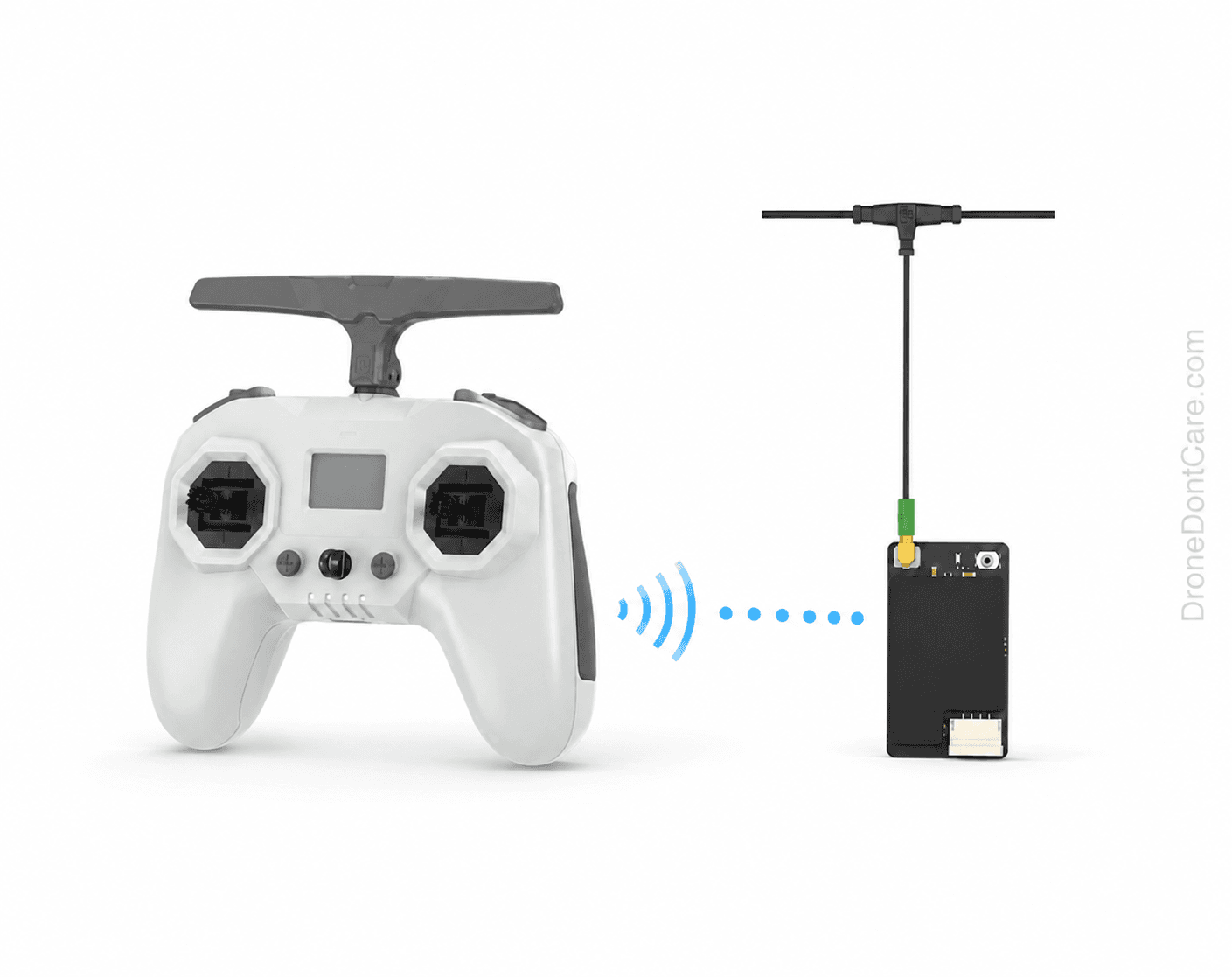
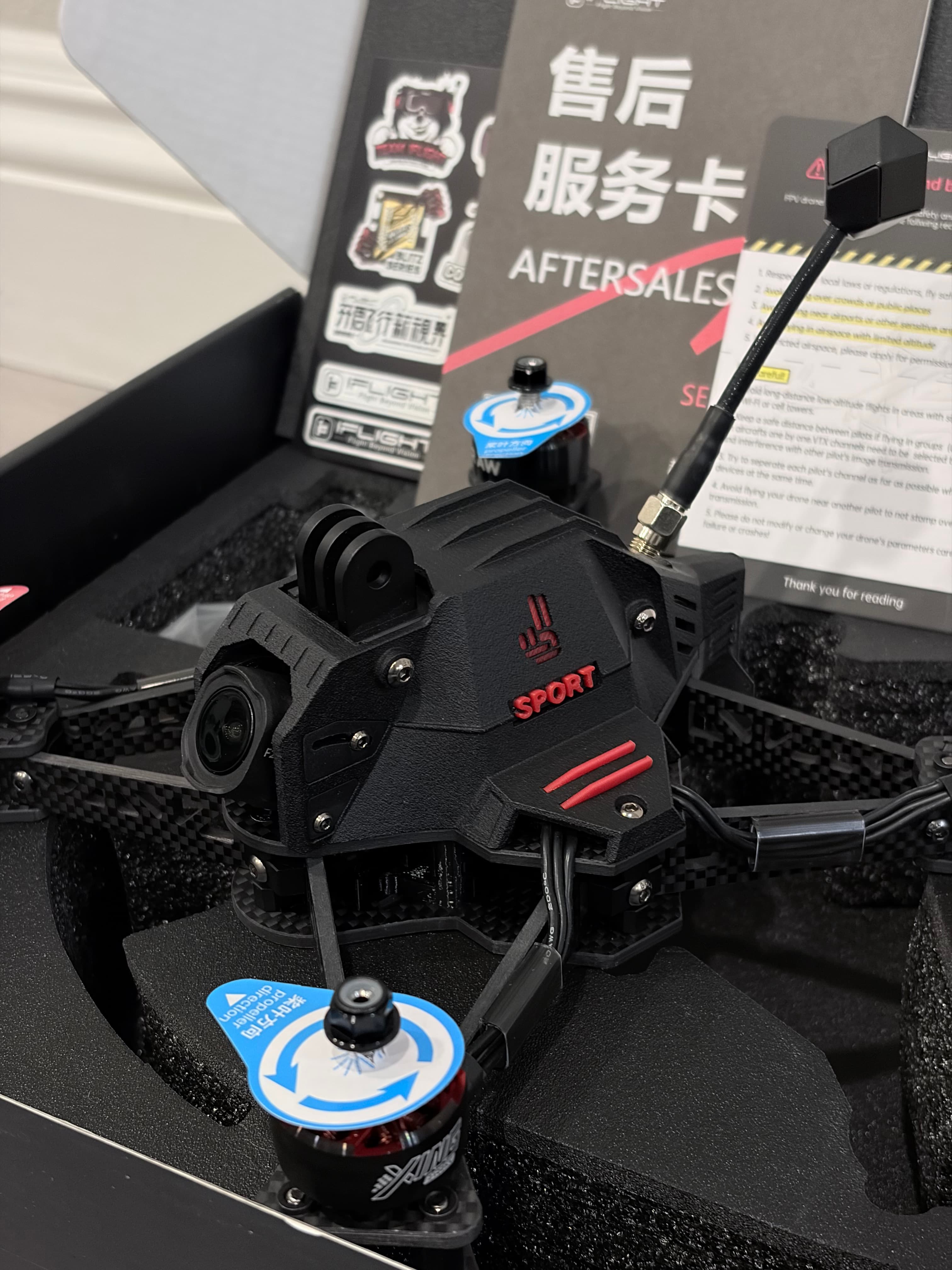
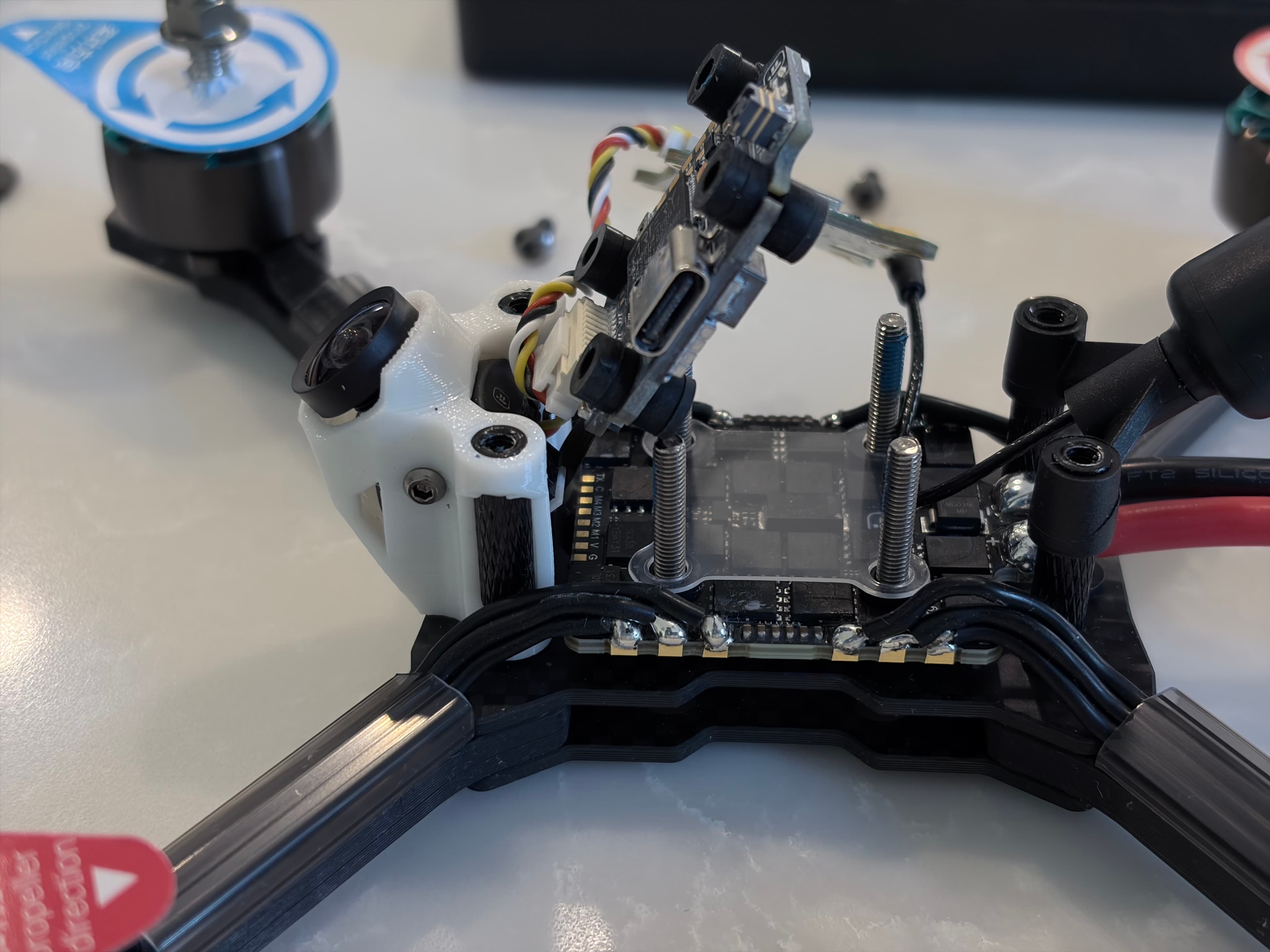
BNF isn't only for small freestyle quads — it's also the standard for serious cinema rigs. If you're looking at heavy-lift cinematography, a BNF cine-lifter lets you bind straight to your existing radio and start shooting on day one.
Featured on DroneDontCare
X8 Cine-Lifter
BNF heavy-lift rig built for full-size cameras — binds to your existing radio.
$2,599.00 USD
RTF Picks for Newcomers Who Just Want to Fly
If you're brand new and the goal is simply to enjoy flying without setup headaches, a few RTF bundles are widely recommended as solid first quads:
Caddx Proto — A beginner-friendly RTF that gets you airborne with minimal fuss.
BetaFPV Aquila20 — A slightly larger, more capable option that flies forgivingly indoors and out.
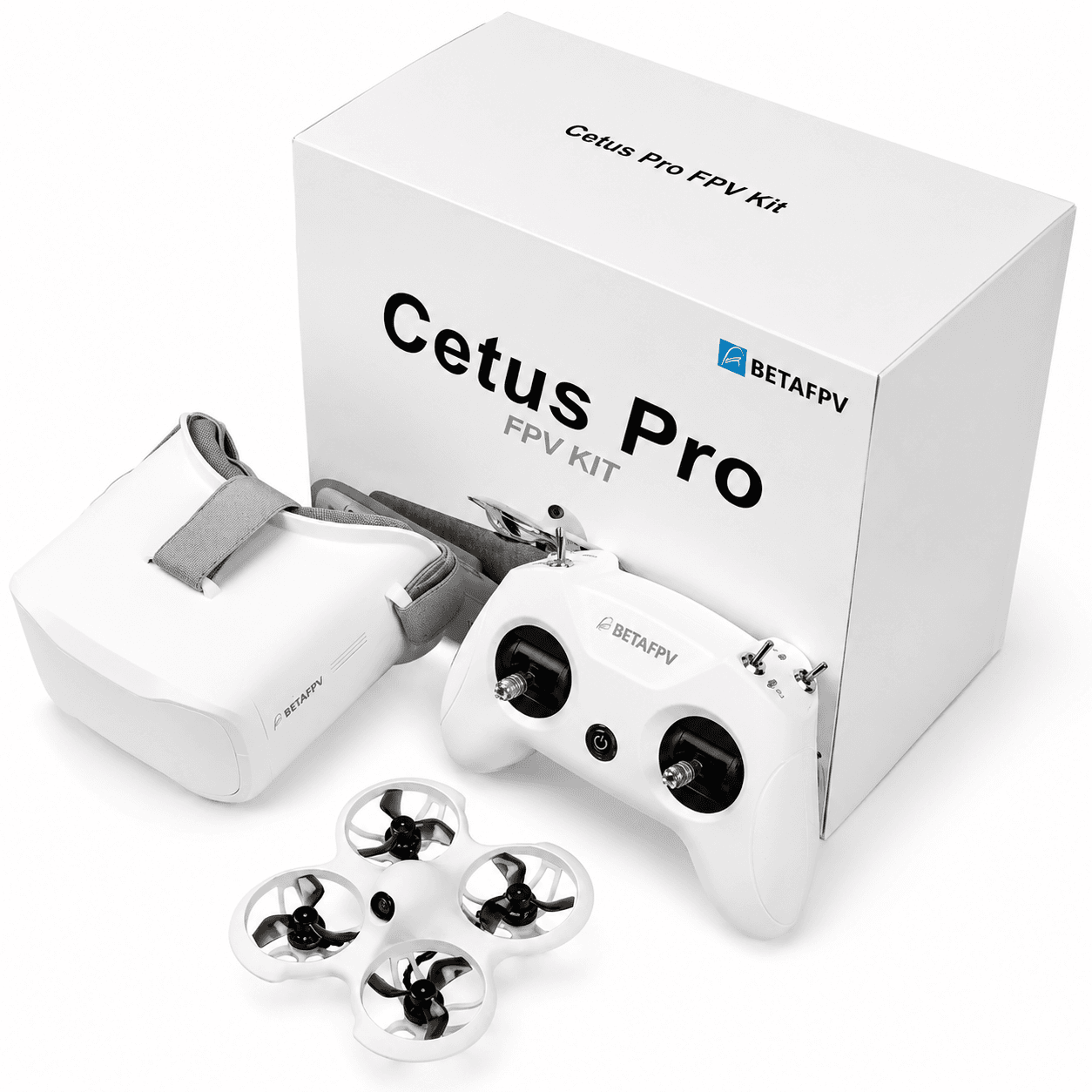
BetaFPV Cetus — The classic "first FPV drone" choice, with self-leveling and altitude-hold modes that make the learning curve much gentler.
Kit Contents
What's Typically Included in an FPV Drone Kit?
An FPV setup is more than just the aircraft. A complete flying setup needs five core pieces:
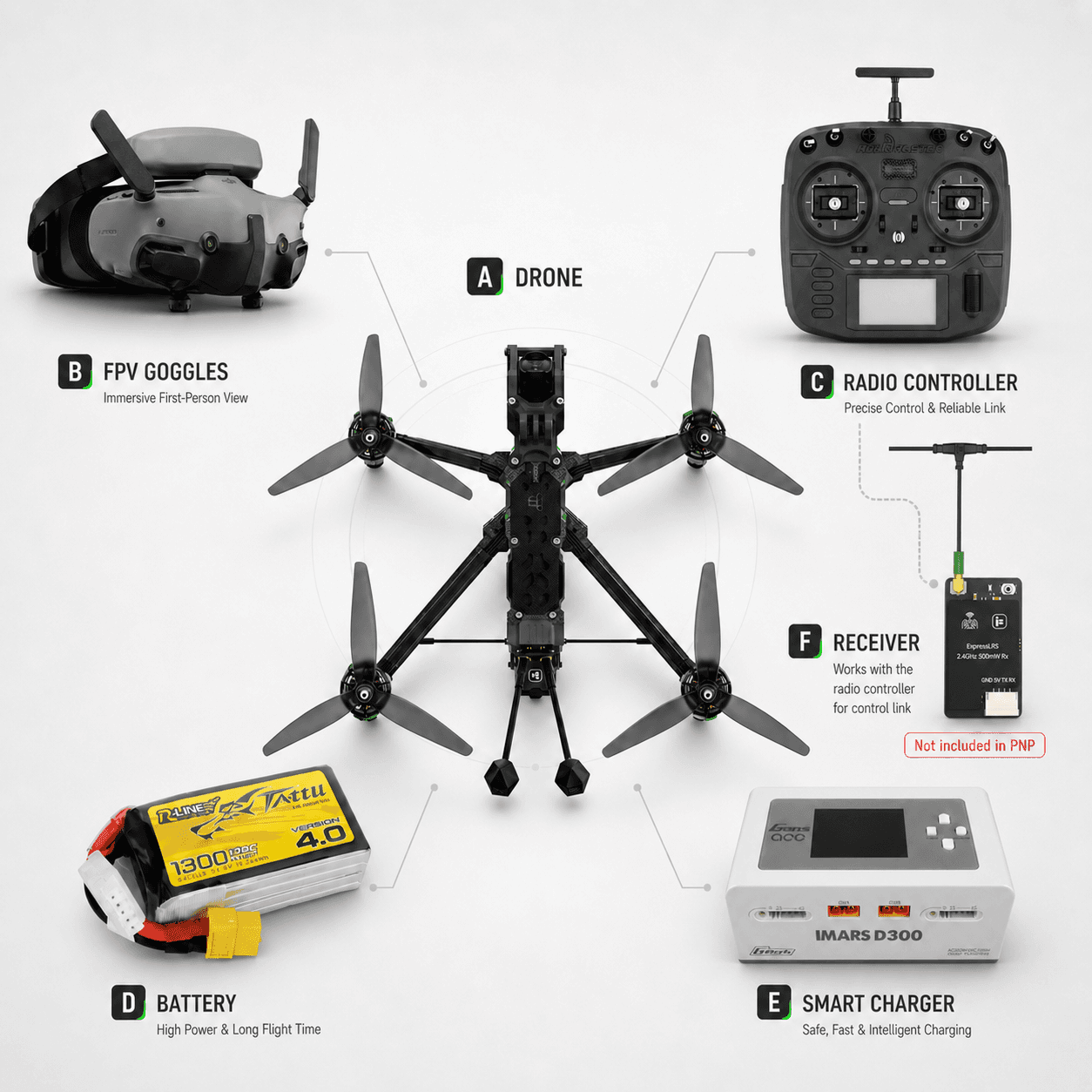
The Drone (Quadcopter)
Frame, motors, flight controller, electronic speed controller (ESC), FPV camera, and video transmitter.It also includes a radio receiver — a small module soldered inside the drone that picks up signals from your handheld radio. Most modern receivers use ELRS (ExpressLRS), an open-source protocol known for long range and low latency. Whether a receiver is pre-installed depends on the kit type:BNF— receiver already installed. Bind it to your radio and fly.PNP— no receiver. You solder in your own choice of protocol.The Radio (Transmitter)
The handheld controller you use to fly. Common options include the RadioMaster Pocket, Boxer, or TX16S.FPV Goggles
The headset that shows the live video feed from the drone. Analog and digital (HD) versions exist at very different price points.LiPo Batteries
The high-discharge battery packs that power the drone. You'll want several so you can fly more than one pack per session.A Battery Charger
A balance charger sized for your battery type and cell count.RTF bundles include all five. BNF and PNP kits include only the drone itself, so you'll need to buy or already own the rest.
Build vs. Buy
Should You Build Your Own Drone Instead?
Building a drone from scratch is a rite of passage in the FPV hobby — but it isn't the right starting point for everyone. Here's a balanced look.
Reasons to Buy Pre-Built
- ✓You can fly sooner — focus on flying, not soldering.
- ✓It's tuned out of the box with sensible flight controller settings.
- ✓Lower upfront cost — RTF kits are often cheaper than buying parts individually.
- ✓Warranty and support — if something doesn't work, you have someone to contact.
Reasons to Build Your Own
- ✓You learn how the drone works — when you crash, you can fix it.
- ✓Full customization: pick the exact frame, motors, camera, and electronics.
- ✓Easier repairs long-term — a broken arm or burned ESC is a 20-minute job.
- ✓It's part of the hobby — many pilots find building as enjoyable as flying.
TL;DR
The Bottom Line
RTF, BNF, and PNP are simply different starting points for the same hobby. RTF gets you in the air fastest. BNF balances cost and flexibility. PNP rewards pilots who already know their gear. Building your own drone is rewarding but optional — most pilots fly pre-built quads happily for years.
Pick the path that matches your budget, patience, and how soon you want to be flying. Happy landings — and remember to check your local regulations before your first flight.